
What is Mediation?
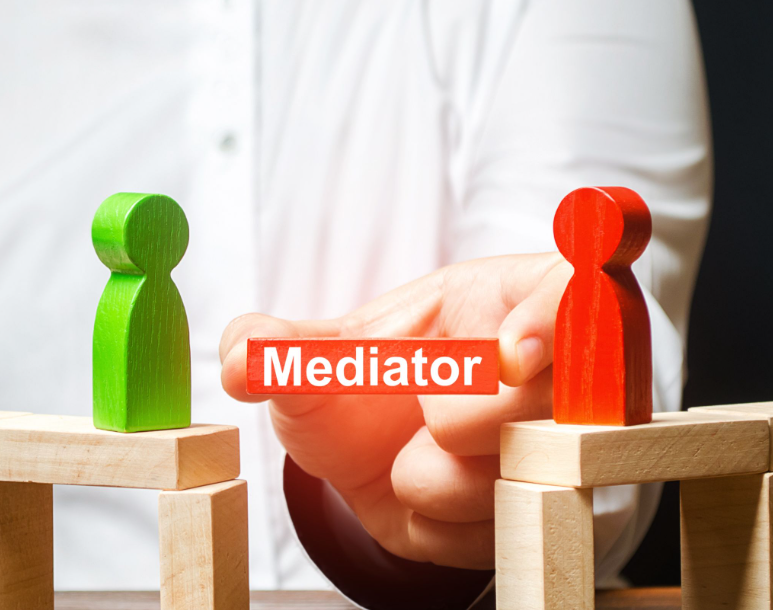
Disagreements can affect families, workplaces, businesses, and everyday relationships. Many people want a solution that avoids lengthy legal battles and unnecessary stress. Mediation offers a way to address conflicts through guided conversations rather than courtroom arguments. The process encourages cooperation while allowing each party to participate in shaping the outcome. Understanding how mediation works can help people make informed decisions when disputes arise.
Understanding What Mediation is
Conflict does not always require a judge to decide the outcome. Many disputes can be resolved through constructive discussion and negotiation. Mediation provides a structured setting where those conversations can take place. Understanding the process starts with understanding its purpose.
A Simple Definition of Mediation
Mediation is a voluntary dispute resolution process that involves a neutral third party called a mediator. The mediator helps people communicate more effectively and work toward a mutually acceptable solution. Unlike a judge or arbitrator, the mediator does not make decisions for anyone involved. Each participant remains responsible for choosing whether to accept a proposed agreement. The focus stays on finding practical solutions rather than determining winners and losers. This process often creates opportunities for cooperation that might otherwise be overlooked.
Why Mediation Exists
Many conflicts become difficult because communication breaks down over time. People may focus on positions rather than the concerns driving those positions. Mediation creates a space where participants can discuss those concerns openly. The process encourages active listening and respectful dialogue. Participants often discover shared interests even when they strongly disagree. That understanding can make resolution more achievable.
How Does Mediation Work?
Most people have questions about what actually happens during mediation. The process follows a general structure, although details may vary by situation. Every stage aims to encourage productive communication and problem-solving. Knowing what to expect often helps participants feel more comfortable.
Preparing for the Mediation Process
Preparation begins before the first mediation session. Participants gather information and identify the issues they want to discuss. The mediator may explain the process and answer procedural questions. Expectations are established so everyone understands their role. This preparation phase helps discussions remain focused and productive. It also gives participants time to consider possible solutions.
Discussions During Mediation Sessions
Mediation sessions usually begin with each participant sharing their perspective. The mediator guides the conversation and encourages respectful communication. Participants discuss concerns, priorities, and possible resolutions. In some situations, the mediator may meet privately with each party. These private discussions can help address sensitive issues. As the conversation progresses, participants work toward areas of agreement.
Reaching and Recording Agreements
Successful mediation often ends with a negotiated agreement. The agreement reflects terms that all parties voluntarily accept. Written documentation helps clarify responsibilities and expectations. Participants can review the terms carefully before signing. Some agreements may later become legally enforceable, depending on the circumstances. Clear documentation reduces the chance of future misunderstandings.

Common Types of Mediation
Mediation applies to many different situations. The process remains flexible because every dispute has unique circumstances. Different types of mediation focus on specific kinds of conflicts. Understanding these categories can help people identify suitable options.
Family Mediation
Family disputes often involve emotional and personal concerns. Mediation can help family members discuss issues in a constructive environment. Divorce mediation frequently addresses parenting arrangements, property division, and financial matters. Families may also use mediation to resolve inheritance disputes or caregiving disagreements. The process encourages respectful communication during difficult conversations. Many families appreciate solutions that support future relationships.
Business and Commercial Mediation
Business disputes can affect operations, finances, and professional relationships. Mediation offers companies an opportunity to resolve disagreements efficiently. Business partners may use mediation to address contract disputes or management concerns. Vendors, clients, and service providers also rely on mediation when conflicts arise. The process allows parties to explore practical business solutions. Maintaining valuable professional relationships often remains a priority.
Workplace Mediation
Workplace conflicts can create tension throughout an organization. Employees and employers may disagree about responsibilities, communication, or workplace treatment. Mediation provides a private setting where concerns can be discussed openly. The process encourages collaboration rather than confrontation. Participants often gain a better understanding of each other's perspectives. Improved communication can support a healthier work environment.
What Are the Benefits of Mediation?
People often choose mediation as a practical alternative to litigation. The process offers advantages that extend beyond resolving a single dispute. Many of these benefits relate to time, cost, and relationships. Understanding these advantages helps explain mediation's growing popularity.
Lower Costs and Faster Resolution
Legal disputes can become expensive and time-consuming. Mediation often requires fewer resources than traditional litigation. Participants can schedule sessions without waiting for court calendars. The process typically involves fewer procedural requirements. Faster resolution allows people to focus on moving forward. Reduced costs can also make conflict resolution more accessible.
Greater Privacy and Flexibility
Court proceedings often become part of the public record. Mediation sessions generally remain private and confidential. Participants can discuss concerns without public exposure. The process also allows greater flexibility when developing solutions. Agreements can address practical needs that courts may not consider. This flexibility often leads to more personalized outcomes.
Better Long-Term Relationships
Some disputes involve people who will continue interacting afterward. Parents, coworkers, neighbors, and business partners frequently fall into this category. Mediation encourages communication instead of escalating conflict. Participants often leave with a better understanding of each other's concerns. That understanding can reduce future disagreements. Stronger relationships often become an unexpected benefit.
The Role of a Mediator
The mediator guides the process without controlling the outcome. This responsibility requires strong communication and conflict resolution skills. Participants depend on the mediator to create a balanced environment. Understanding this role helps establish realistic expectations.
Facilitating Productive Conversations
Mediators help participants communicate more effectively during difficult discussions. They encourage active listening and respectful exchanges. Questions from the mediator can reveal underlying concerns and priorities. Clarifying misunderstandings often reduces tension between participants. Productive communication creates opportunities for progress. This guidance helps keep discussions focused on solutions.

Remaining Neutral and Impartial
Neutrality remains one of the most important aspects of mediation. The mediator does not advocate for either side. Each participant receives an equal opportunity to share concerns and perspectives. This balanced approach helps build trust in the process. Trust encourages honest communication and meaningful negotiation. Participants often feel more comfortable exploring possible compromises.
Mediation vs Litigation
People frequently compare mediation with traditional court proceedings. Both approaches address disputes, but they operate differently. Understanding those differences helps participants choose an appropriate path. The decision often depends on the goals of those involved.
Approaches in Conflict Resolution
Litigation follows formal legal procedures established by courts. Mediation relies on guided discussion and voluntary participation. Participants have more flexibility in how issues are addressed. Conversations can focus on practical concerns alongside legal matters. Scheduling is generally more convenient than court hearings. This flexibility often reduces stress during the process.
Differences in Outcomes
A judge or jury decides the outcome in litigation. Mediation allows participants to create solutions together. Agreements can reflect unique circumstances and shared priorities. The process encourages collaboration rather than competition. Participants often report greater satisfaction with negotiated outcomes. Personal involvement can strengthen commitment to the final agreement.
Is a Mediation Agreement Legally Binding?
Many people want to know what happens after mediation ends. Reaching an agreement is only part of the process. Participants also need clarity about legal enforceability. Understanding this issue helps prevent future confusion.
When Agreements Become Enforceable
Not every mediation agreement automatically becomes legally binding. Requirements depend on the nature of the dispute and applicable laws. Written agreements generally provide stronger legal protection than verbal understandings. Courts may recognize properly executed settlement agreements. Legal review may be helpful in certain situations. Participants should understand their obligations before signing.
Why Written Agreements Matter
Written agreements provide a clear record of what participants accepted. Detailed documentation reduces misunderstandings and future disputes. Expectations become easier to understand when they appear in writing. Participants can review terms carefully before finalizing them. Written agreements also support accountability. This documentation creates greater confidence moving forward.
When is Mediation Inappropriate?
Mediation can resolve many disputes, but it is not suitable for every situation. Some conflicts require additional protections or legal intervention. Understanding these limitations helps people choose the right approach. Professional guidance may be necessary when complex issues arise.
Cases Involving Safety Concerns
Disputes involving threats, abuse, or intimidation require careful evaluation. Personal safety must remain the highest priority. Significant power imbalances can affect meaningful participation. Additional legal protections may be necessary before discussions occur. Alternative processes may provide stronger safeguards. Professional advice can help determine the appropriate next steps.
Disputes Requiring Court Decisions
Some legal issues require a formal ruling from a court. Participants may need judicial authority to establish rights or obligations. Certain disputes involve legal questions that mediation cannot resolve. Courts may also be necessary when parties refuse to participate voluntarily. Understanding these limitations supports informed decision-making. Legal professionals can provide guidance when uncertainty exists.
Frequently Asked Questions About Mediation
Many people share similar concerns before participating in mediation. Common questions often focus on timing, confidentiality, and legal representation. Clear answers help participants approach the process with confidence. These responses address some of the most common concerns.
How Long Does Mediation Take?
The length of mediation depends on the complexity of the dispute. Some cases resolve in a single session. Others require multiple meetings over several weeks. Participant cooperation often influences the timeline. Mediation generally moves faster than litigation. Faster resolution can reduce emotional and financial strain.
Do Both Parties Have to Agree?
Yes, mediation relies on voluntary participation and mutual agreement. No participant can be forced to accept a proposed solution. Each party maintains control over final decisions. This approach encourages meaningful negotiation. Agreements succeed because participants choose them willingly. Voluntary participation remains a defining feature of mediation.
What Happens if Mediation Fails?
Not every mediation results in an agreement. Participants may decide that resolution is not possible at that time. Other dispute resolution options remain available. Litigation or arbitration may become necessary in some situations. Even unsuccessful mediation can clarify issues and narrow disagreements. Those insights may support future negotiations.
Do I Need a Lawyer During Mediation?
Many people participate in mediation without legal representation. Others choose to consult a lawyer before or during the process. Legal advice may be helpful when disputes involve significant rights or obligations. Participants should evaluate their individual circumstances carefully. A lawyer can review proposed agreements when needed. This support can provide additional peace of mind.
Choose Mediation Before Conflicts Grow
Disputes often become more difficult when left unresolved for long periods. Early action creates more opportunities for productive communication and compromise. Mediation offers a practical path for addressing disagreements while preserving control over decisions. Participants can focus on solutions instead of prolonged conflict. The process encourages respectful dialogue, thoughtful negotiation, and meaningful resolution. Taking the first step today may prevent larger challenges tomorrow.
Every conflict has more than one path forward. Explore the After Hours Mediation blog for expert perspectives that can help you navigate challenging situations with confidence.
